Polymers are everywhere: in everyday objects, textiles, packaging… but also in the medical field. Among them, PHAs – polyhydroxyalkanoates – are attracting growing interest thanks to their natural origin and unique properties. Here’s the essential information to understand these biopolymers and their potential.
What is a PHA?
PHAs are a family of polymers naturally produced by certain microorganisms. These microorganisms synthesize them as an energy reserve when they find themselves in a situation of nutrient stress.
In other words: PHAs are biologically derived plastics, created by living organisms.
How are PHAs Produced?
The most common process relies on bacterial fermentation. Bacteria are fed carbon substrates (sugars, vegetable oils, organic waste…).
They then produce PHA granules inside their cells, which are subsequently extracted to be transformed into material.
Une famille de polymères = des PHA
There isn’t just one PHA, but a wide variety:
- PHB (polyhydroxybutyrate)
- PHBHV (polyhydroxybutyrate-co-hydroxyvalérate)
- PHHp, PHO, PHD, etc.
Each type has slightly different mechanical and thermal properties, making it possible to adapt the material to specific uses.
How Do PHAs Differ from Other Biodegradable Polymers?
PHAs are often compared to other bioplastics like PLA (polylactic acid) or PGA (polyglycolic acid). However, they differ on several key points:
- True natural biodegradation
PHAs are biodegradable in natural conditions: soil, fresh water, marine environments, compost… and even in vivo.
- 100% biological origin
PHAs are biosynthesized by microorganisms from renewable resources, while PLA and PGA may rely on chemical synthesis even if their monomers come from plant sources.
- Excellent biological compatibility
The natural structure of PHAs gives them an advantage for medical uses, especially when implanted in the human body.
- Modifiable polymers
It is possible to have microorganisms produce functionalized PHAs that can then serve as platforms for adding functionalities via green chemistry reactions, giving nearly unlimited potential for functional properties.
The Strengths of PHAs
PHAs stand out with a unique combination of properties that make them relevant in many fields, far beyond the medical sector alone:
- Natural and renewable origin
Produced by microorganisms from biological renewable resources, PHAs are manufactured through fermentation processes that align with a circular economy logic and reduce dependence on fossil resources.
- Real biodegradability
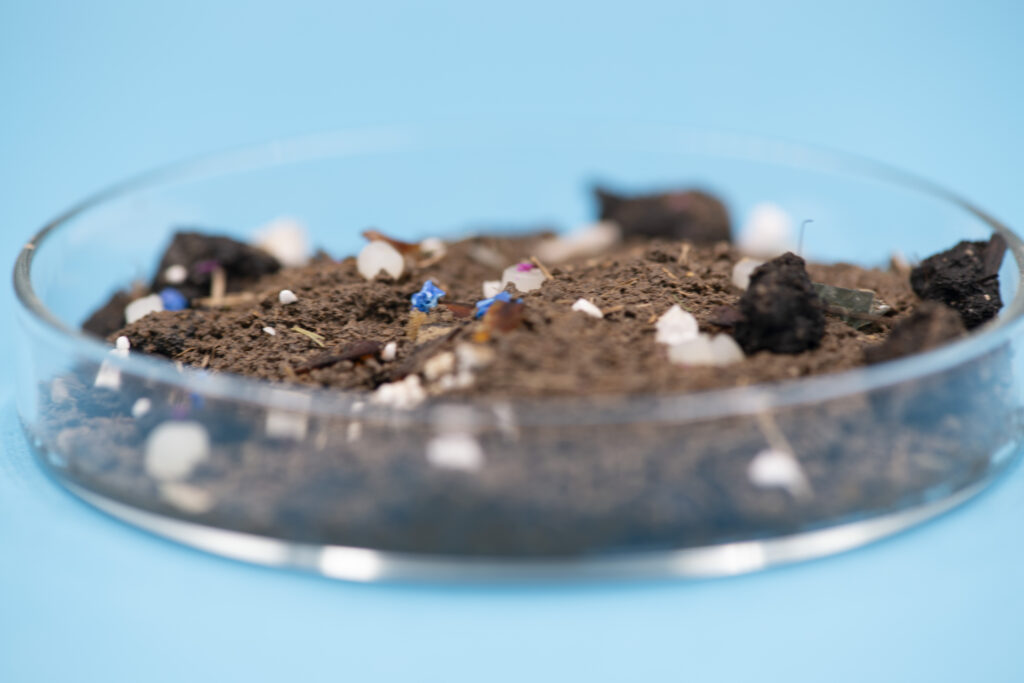
They biodegrade naturally in a wide range of environments: soil, fresh water, marine environments, or compost. This makes them particularly interesting for limiting plastic waste accumulation, especially in single-use applications.
- High compatibility with living systems
Thanks to a structure close to natural molecules, PHAs show excellent compatibility with living organisms — essential not only for medical applications but also for uses in contact with food, the environment, or agriculture.
- Non-toxic degradation
Upon degradation, PHAs do not generate harmful substances. They transform into compounds that can be naturally assimilated, reinforcing their interest for sensitive applications where health and environmental safety are critical.
- Modulable technical properties
The wide family of PHAs offers varied mechanical and thermal properties: rigidity, flexibility, strength, degradation time… This diversity allows these polymers to be used as materials or as formulation components to meet the specific needs of industries as varied as packaging, agriculture, industry, textiles, cosmetics, biomedical, or consumer goods.
- Compatible with industrial processing
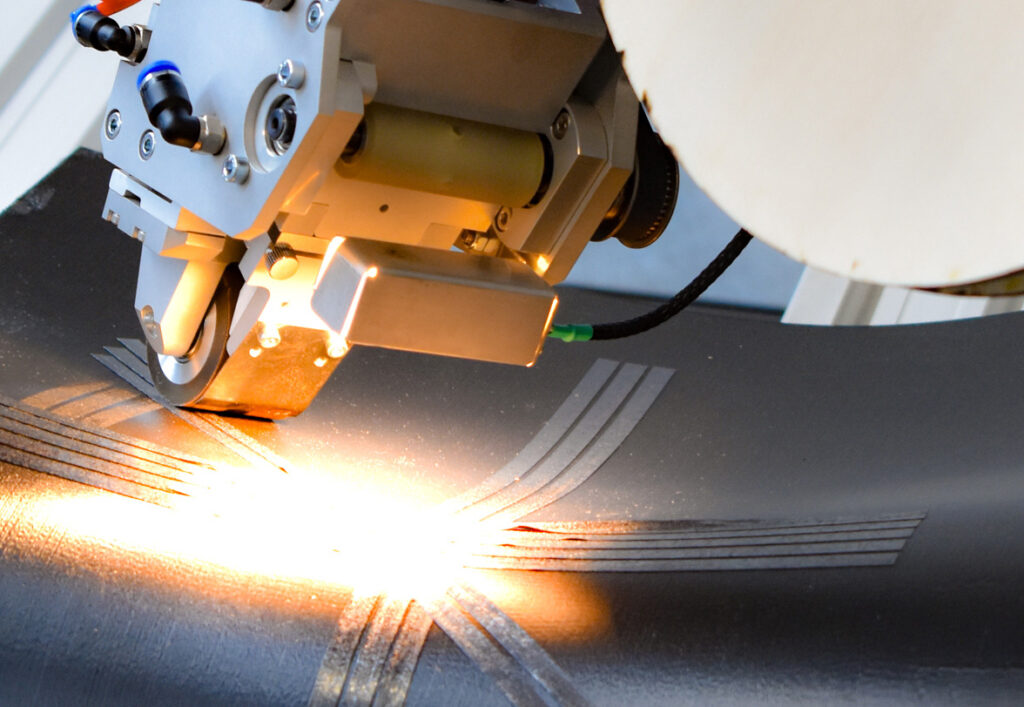
PHAs can be processed using standard techniques such as extrusion, injection molding, or thermoforming, facilitating their progressive integration into existing production lines.
Current Limitations of PHAs
Despite their many strengths, PHAs still present some constraints that can slow down their widespread deployment across all industrial sectors:
- Production cost remains high
The biological processes (fermentation, extraction, purification) used to produce PHAs are more complex and costly than the manufacture of conventional polymers.
- Industrial processing constraints
Depending on their composition, some PHAs may be sensitive to heat, have narrow processing windows, or display mechanical brittleness. These characteristics may require adjustments to industrial parameters or equipment.
- Variable stability depending on use
While biodegradability is a major environmental advantage, it can become a constraint when high durability is required. Their behavior regarding humidity, oxidation, or aging must be carefully managed based on application.
- Standardization still under development
The large diversity of PHAs is both a strength and a challenge. The variety of properties can make comparison and industrial qualification difficult at scale.
- Limited availability and volumes
Worldwide production capacity remains modest compared to conventional plastics, which can slow adoption for projects requiring large volumes and long-term supply security.
PHAs are now emerging as a family of high-potential biopolymers, capable of addressing today’s industrial, environmental, and societal challenges.
Derived from renewable resources, biodegradable under natural conditions, and available in many variants, they offer a credible alternative to fossil-based polymers across a wide range of applications.
Although they still face limitations in terms of cost, availability, and industrial processing, technological advances and efforts to structure the sector are opening up promising prospects. As production processes continue to improve and applications diversify, PHAs could play a key role in the transition toward more sustainable materials better suited to the demands of the future.