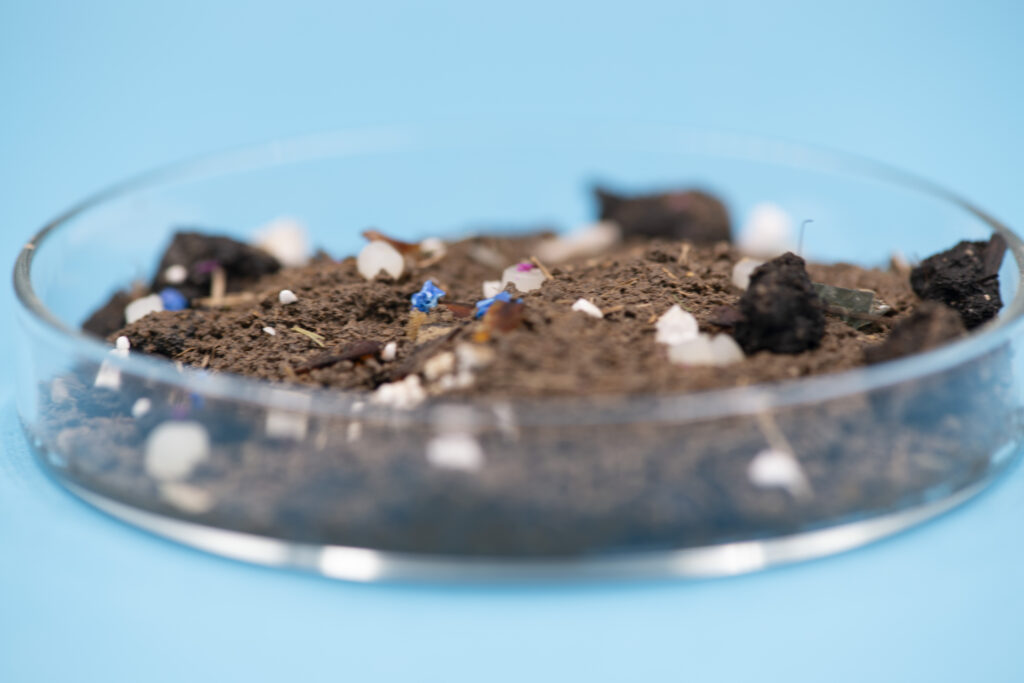
Though nearly invisible, they now represent a major environmental and regulatory challenge for the industry. Between tightening European standards and the demands of the circular transition, controlling the release of these particles has become an absolute imperative. Discover how packaging and recycling stakeholders can turn these regulatory hurdles into opportunities for innovation and long-term performance.
Primary vs. Secondary Microplastics: An Overview
Plastic pollution is not just a matter of visible waste. We distinguish between three categories of microplastics contaminating our ecosystems:
- Primary Microplastics: Intentionally manufactured at this scale, these correspond to substances added to products such as cosmetics, detergents, or fertilizers. This category is now subject to increasingly strict regulatory frameworks.
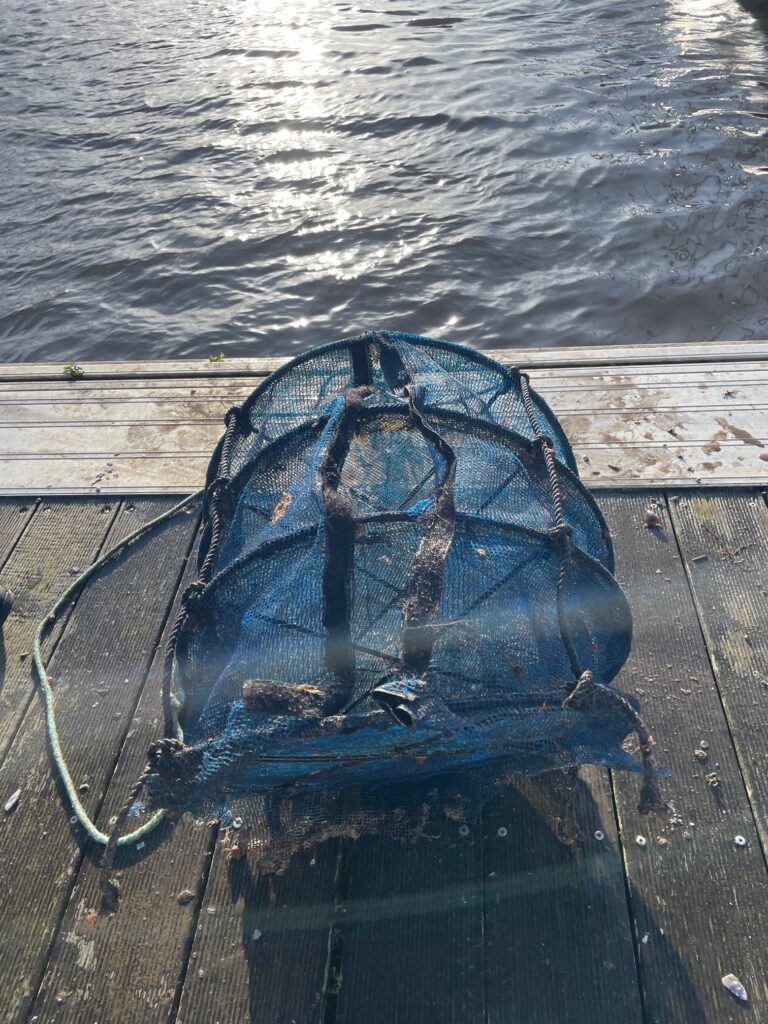
- Secondary Microplastics: These result from the degradation or fragmentation of larger plastic objects (bottles, bags, fishing nets) caused by UV exposure or mechanical currents.
- Wear and Friction Particles: Often classified as secondary sources in a broader sense, these stem from the normal use of products—such as tire abrasion on roads or the release of synthetic fibers during textile laundering.
Everywhere at Once: From the Earth to the Atmosphere and Into Ourselves
Initially identified in marine environments, microplastics have a complex environmental fate that extends far beyond the ocean. Constant exchange and transfer between different ecosystems explain their omnipresence throughout the environment.
Land-sea continuum: plastics from terrestrial anthropogenic activities are found in rivers and groundwater; the interconnections between environments mean they eventually reach and accumulate in the oceans.
Trophic transfers: across all these environments, microplastics can be ingested by living organisms, thereby entering the food chain. Studies on this diffuse pollution reveal toxicological risks to both biodiversity and human health.
Norms and Regulations: The Pace is Picking Up
The European Union and France (via the AGEC law) have entered into a showdown against these particles.
- REACH and Regulation 2023/2055: The progressive ban on intentionally added synthetic polymer microparticles is already underway. As of 2023, cosmetics containing plastic microbeads have been banned, to be followed shortly by rinse-off cosmetic products, detergents, and certain agricultural fertilizers, for example.
- Traceability and Filtration: The mandate to equip new washing machines with microfiber filters will be a major turning point in limiting release into wastewater.
- Towards a Global Treaty: International negotiations (UN) aim to establish a legally binding instrument to end plastic pollution.
Major Challenges for Manufacturers
The packaging, recycling, and reuse sectors are facing new technical and economic challenges. The new European PPWR (Packaging and Packaging Waste Regulation) is transforming the industry by mandating a strategy focused on the 3Rs (Reduction, Reuse, Recycling). While it has not yet set specific quantified targets for microplastics, its long-term objective is their total elimination from packaging.
Structural Integrity and Material Longevity in Reuse Cycles
The shift toward reuse models is accompanied by an increase in the number of washing cycles and the repeated recirculating of containers.
The challenge? Ensuring material integrity in the face of repeated mechanical, thermal, and chemical stresses during industrial cleaning cycles and product use—factors that are liable to lead to the release of microplastics.
Maintaining Purity in Recycling Flows
The mandatory incorporation of Recycled Content—reaching up to 35% by 2030 for certain types of packaging—raises critical questions regarding material quality.
How can the safety of mechanical recycling be certified, both in terms of reducing microparticle emissions and controlling potentially toxic residual substances?
L’écoconception et la substitution
Manufacturers must rethink product architecture to limit abrasion and prevent premature degradation, thereby ensuring the technical viability of reuse models. Simultaneously, for specific applications, substituting conventional polymers with biodegradable materials offers an effective strategy for reducing the overall plastic footprint.
How UBSIDE Partners with You Through Your Transition
In the face of this technical and regulatory complexity, UBSIDE positions itself as the strategic partner for manufacturers seeking to turn these constraints into a competitive advantage.
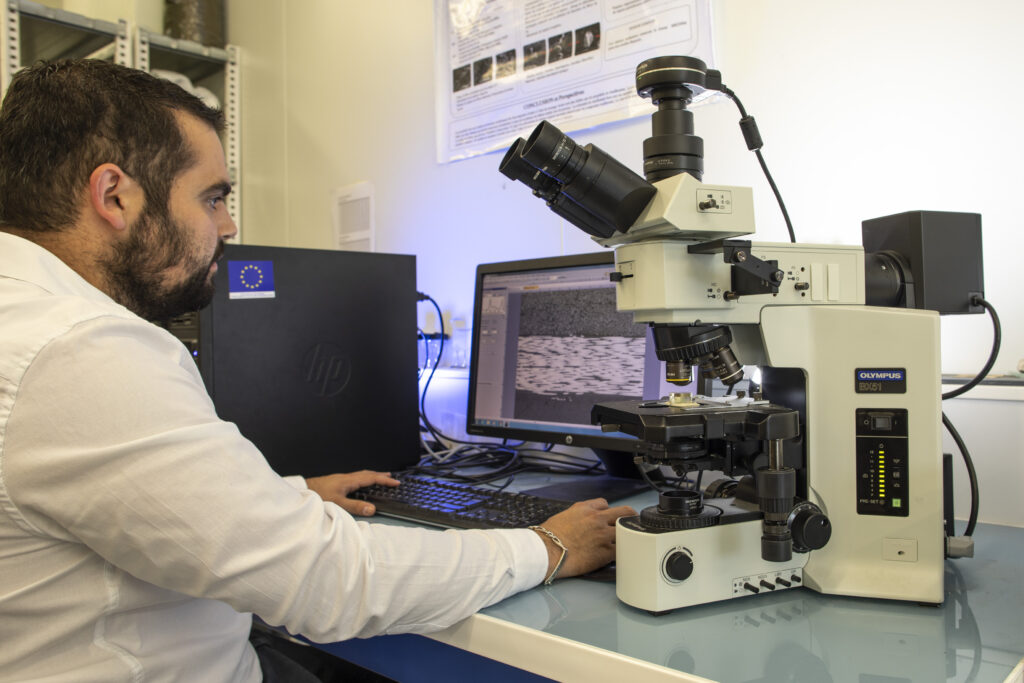
Leveraging our expertise in ecotoxicity and material characterization, we help packaging and recycling stakeholders to:
- Evaluate Release: Precisely measure the release of microparticles during product use or aging.
- Analyze Environmental Impact: Conduct toxicity tests across various trophic levels (bacteria, microalgae, crustaceans, marine vertebrate bivalves) to validate the safety of your new materials.
- Optimize Eco-design: Support you in formulating sustainable materials and selecting polymers that minimize impact on marine environments and human health.
Anticipating tomorrow’s standards means securing your market access and strengthening consumer trust.
👉🏼Explore our solutions for microplastics analysis and testing